
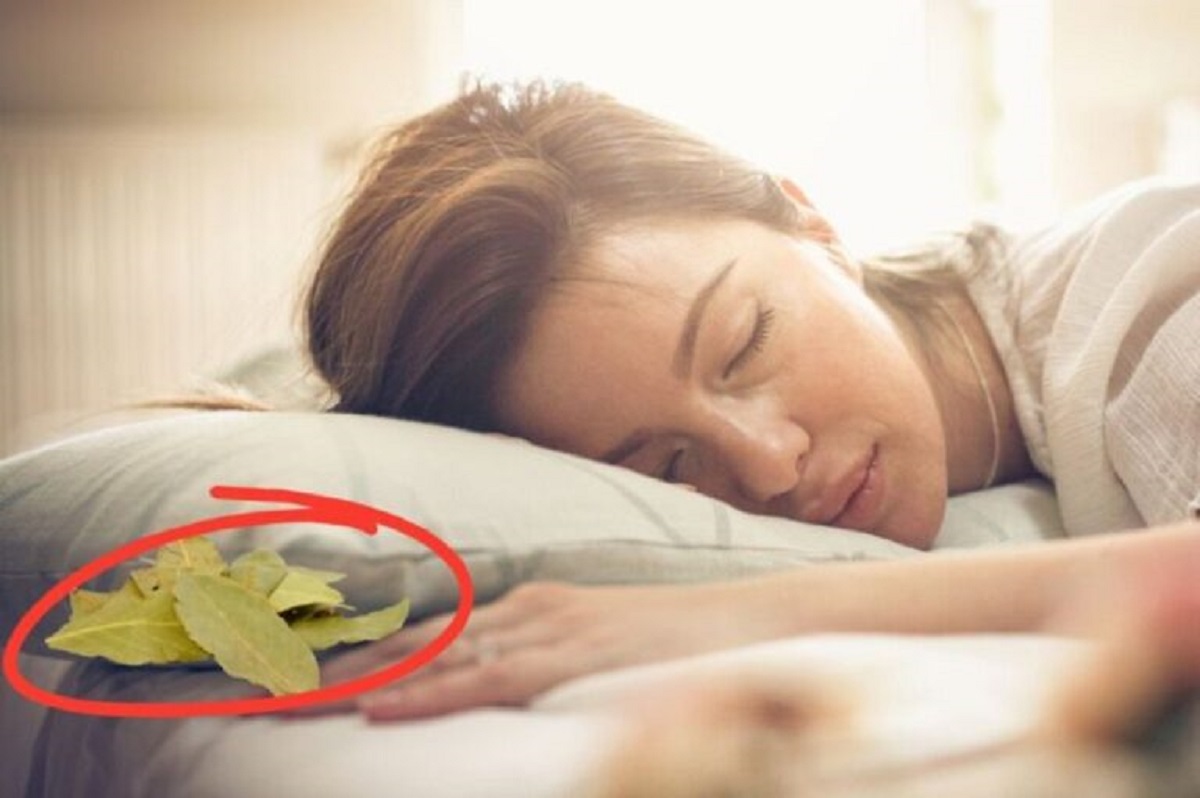

From kitchens to bedrooms, this humble herb has taken on a surprising new role: helping people drift into deeper, calmer sleep.
The bay leaf: more than a cooking essential
For most of us, the bay leaf lives in the spice rack, waiting to flavor stews or simmering sauces. But lately, it’s being tucked under pillows instead of tossed into pots. This isn’t about taste—it’s about tranquility. For centuries, bay leaves have carried a reputation beyond food, often linked to healing and rituals. Now, they’re making a quiet comeback as a natural way to improve sleep.
Nature’s gentle sedative
Anyone who’s ever tossed and turned at night knows the frustration of chasing sleep. That’s where the bay leaf ritual comes in. The leaf is said to carry soothing compounds that can lower blood pressure and ease heart rate, creating the kind of calm state you need to fall asleep. Unlike prescription sleep aids—which can bring grogginess or side effects—this remedy is a gentle, natural approach. As some herbalists explain, even the subtle aroma of dried bay can help signal the body to slow down.
Preparing your pillow for a leafy guest
The method is disarmingly simple. Buy a few dried bay leaves from a shop, or if you’re lucky enough to have a tree in your garden, snip some fresh ones. Rinse them gently, allow them to air-dry for about ten days, and slip one or two under your pillow before bedtime. For extra comfort, many people also brew a cup of bay leaf tea in the evening—think of it as a double invitation to dreamland.
A word of caution: choose wisely
Before you rush to pluck leaves from any green shrub, a reminder: not all “bay” is created equal. The safe and fragrant type is bay laurel (Laurus nobilis), with its smooth, dark green leaves. Do not confuse it with oleander (Nerium oleander)—a completely different plant that may look tempting but is highly toxic. If you’re unsure, stick to the dried culinary bay leaves sold in stores.
The multitasking leaf
Bay leaves aren’t a one-trick wonder. Beyond sleep rituals, they’re a star in the kitchen, adding depth to soups, sauces, and slow-cooked dishes. They’re also an old-fashioned but effective moth repellent, often placed in cupboards or pantries to protect clothes and grains. It seems this modest leaf has been pulling double duty for centuries, even if we’re only just remembering it now.
Could this be your new bedtime ritual?
If you’ve tried everything from counting sheep to lavender sprays, slipping a bay leaf under your pillow might feel like an easy experiment worth doing. No expensive gadgets, no complicated steps—just one leaf and a little faith in nature’s wisdom. Who knows? You might wake up refreshed and ready to spread the word. After all, some of the best remedies are the ones passed down quietly, leaf by leaf, generation after generation.
