
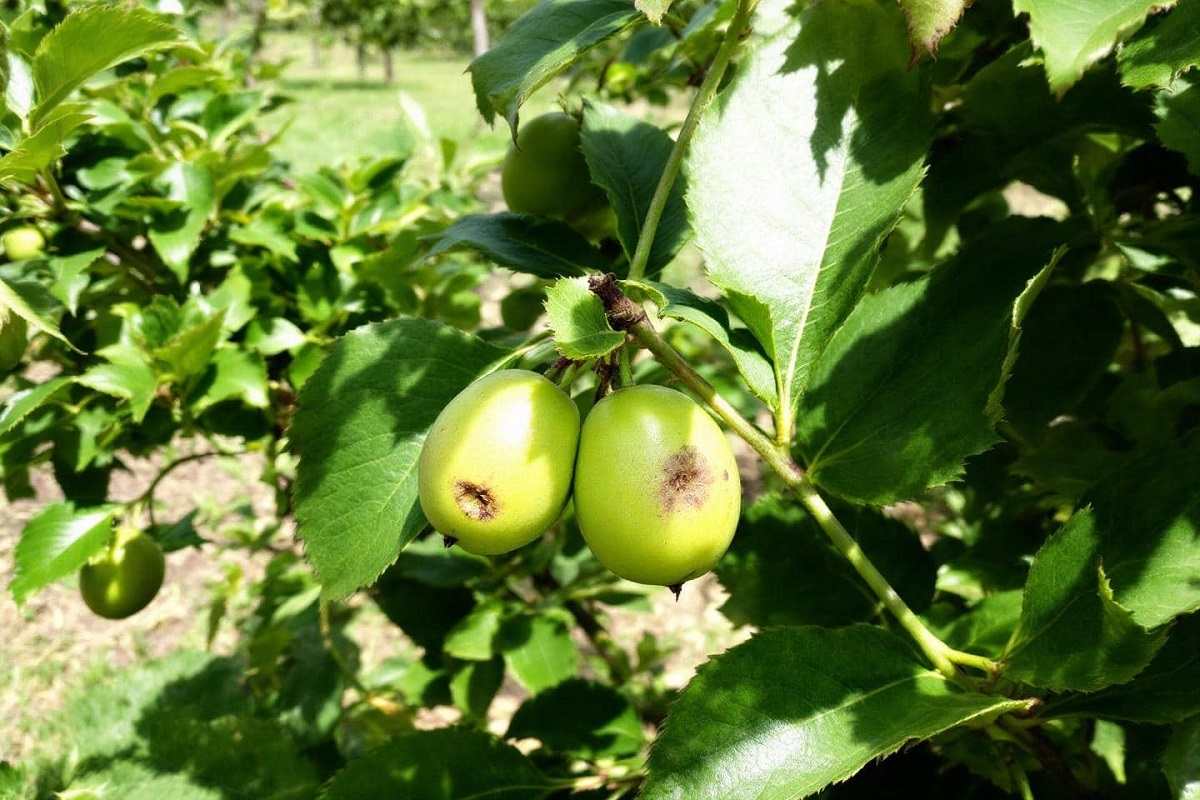

As summer winds down, many gardeners are tempted to put away their tools and call it a season. But in truth, late August is one of the most decisive moments for your orchard. The quiet work you do now—on apple, cherry, plum, or pear trees—can mean the difference between a modest harvest and branches bending under the weight of fruit next year.
Observe Before You Act
Before reaching for the pruning shears, take time to study your trees closely. This step, often skipped, reveals valuable signs about their current health and what they’ll need in the coming year.
- Signs of fatigue: yellowing leaves, dry shoots, or weak fruiting.
- Signs of vigor: supple new shoots with a grey-green color and dense foliage.
By identifying these signals, you’ll avoid overworking already stressed trees and know where to focus your efforts.
Open Up Space for Light and Air
Late summer offers the clearest picture of your tree’s structure after its annual growth. This makes it easier to spot vertical suckers and crossing branches that block sunlight and airflow. Removing them now sets the stage for more even fruiting and healthier trees.
It’s also the right time to look for hidden disease symptoms—patches on bark, cankers, or moss—that may worsen if left until spring.
The Subtle Art of Late-Summer Pruning
The best-kept secret of traditional orchards is a gentle prune just after harvest. Done in late August or early September, it gives trees enough time to heal before winter while redirecting energy into next year’s fruit buds.
- Cut out greedy shoots: Suckers sap energy without producing fruit. Removing them frees resources for fruit-bearing branches.
- Make precise cuts: Trim just above an outward-facing bud to encourage strong, productive growth.
- Adapt to the species: Apples and pears tolerate firmer pruning; cherries, apricots, and plums prefer a lighter touch.
Strengthening Trees Before Autumn
Pruning isn’t the only late-summer task that pays dividends. A few simple habits greatly improve your orchard’s resilience.
- Clean the ground: Collect fallen fruit to prevent pests and fungal spores from overwintering.
- Add mulch: Straw, shredded leaves, or wood chips conserve moisture, protect roots from frost, and enrich the soil.
- Water deeply once: A final thorough watering before autumn helps replenish reserves, far more effective than frequent light sprinkles.
Avoid These Common Mistakes
Well-intentioned but heavy-handed practices can do more harm than good.
- Over-pruning: Cutting too much stimulates chaotic, non-fruiting shoots at the expense of blossoms.
- Following outdated habits: Modern grafted or espaliered trees require more precise care than traditional orchard giants.
- Ignoring long-term planning: Think ahead—shape branches to allow light penetration and prepare space for next year’s fruit clusters.
What to Expect Next Spring
If you put in this quiet end-of-summer work, the rewards arrive quickly. Spring will bring:
- Fewer dead branches and a healthier canopy.
- Stronger flowering with more evenly distributed blooms.
- Better fruit quality—larger, tastier, and more resistant to pests.
Over time, an annual late-summer routine becomes a ritual. Your trees grow stronger each year, their yields increase, and your orchard feels less like work and more like a partnership with nature.
The bottom line: don’t shelve your tools just yet. A few thoughtful hours in late August can unlock the most abundant fruit harvest your garden has ever seen.
