
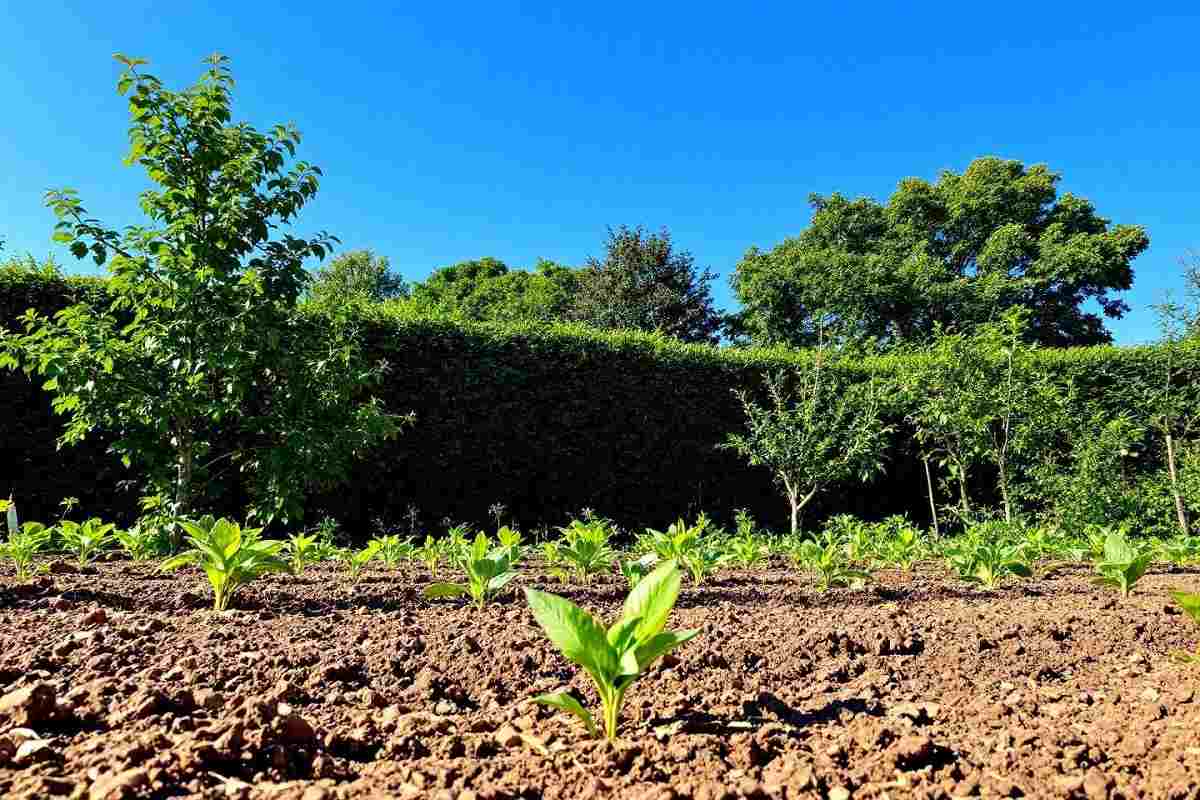

August often feels like a pause in the garden—heat slows growth while baskets fill with tomatoes, beans, and apples. But beneath this lull lies an opportunity. Smart gardeners know that what you do now sets the stage for stronger plants and bigger harvests next year.
Observe and Diagnose Before It’s Too Late
Take a slow walk through your vegetable beds and orchard. Notice where the soil looks compacted, which plants are wilting too often, or where fruits stayed small. These clues help you spot weak spots early—whether it’s a lack of water, poor soil health, or signs of disease. Addressing them now means fewer disappointments next season.
Weed Smart, Not Hard
Pulling every weed at once isn’t necessary. Instead, target weeds around sensitive crops and lightly loosen the soil surface with a hand tool. This avoids exhausting the soil and actually stimulates beneficial organisms living underground.
Water Wisely and Protect Moisture
With droughts common in late summer, many gardeners overcorrect by watering too heavily or too rarely. The key is steady, moderate moisture. Add a layer of organic mulch—straw, shredded leaves, or grass clippings—to keep water in the soil and prepare it for fall improvements.
Loosen Without Flipping the Soil
The old habit of turning soil with a spade is fading. Instead, use a broadfork (grelinette) or digging fork to loosen soil without inverting it. This preserves the natural structure and protects worms and microbes that make soil fertile. Your plants’ roots will thank you with stronger growth.
Add Amendments Thoughtfully
Healthy soil is built, not bought. Options include:
- Aged manure to enrich humus and microbial life.
- Homemade compost for balanced organic matter.
- Green manures like mustard or clover to cover bare soil, prevent erosion, and add nitrogen.
Spread about 2–3 kg of compost per square meter, evenly across beds. Too much smothers the soil, too little won’t help. Always work it gently into the top layer instead of burying it deeply.
Start Planting for Next Year Now
Some crops thrive when started in late summer rather than spring. Spinach, mâche (lamb’s lettuce), garlic, and strawberries establish better if planted before fall. In orchards, this is also a great moment to plant raspberries, currants, and blackberries.
Protect and Plan Ahead
Once young plants are in, help them adapt. Use row covers, mulch, or small cloches to protect against sudden weather shifts. Think about crop rotation and companion planting too: pairing carrots with onions or tomatoes with marigolds keeps pests at bay naturally.
The Payoff Next Spring
Preparing soil in August means seeds and transplants in spring face ideal conditions—aerated, nutrient-rich ground full of life. Roots anchor more easily, crops resist disease better, and harvests are more generous.
Best of all, the soil continues working for you even when you’re not. Worms, beetles, and bacteria quietly recycle organic matter, keeping the system balanced. Over time, your garden becomes more self-sustaining.
A Simple Investment With Huge Returns
There’s nothing more satisfying than biting into a juicy tomato or crisp apple and knowing the secret was a few hours of effort months earlier. August isn’t just harvest time—it’s the hidden beginning of next year’s abundance.
So, before you put your tools away for summer, ask yourself: which of these simple hacks will you try now to make next spring’s garden even more rewarding?
