
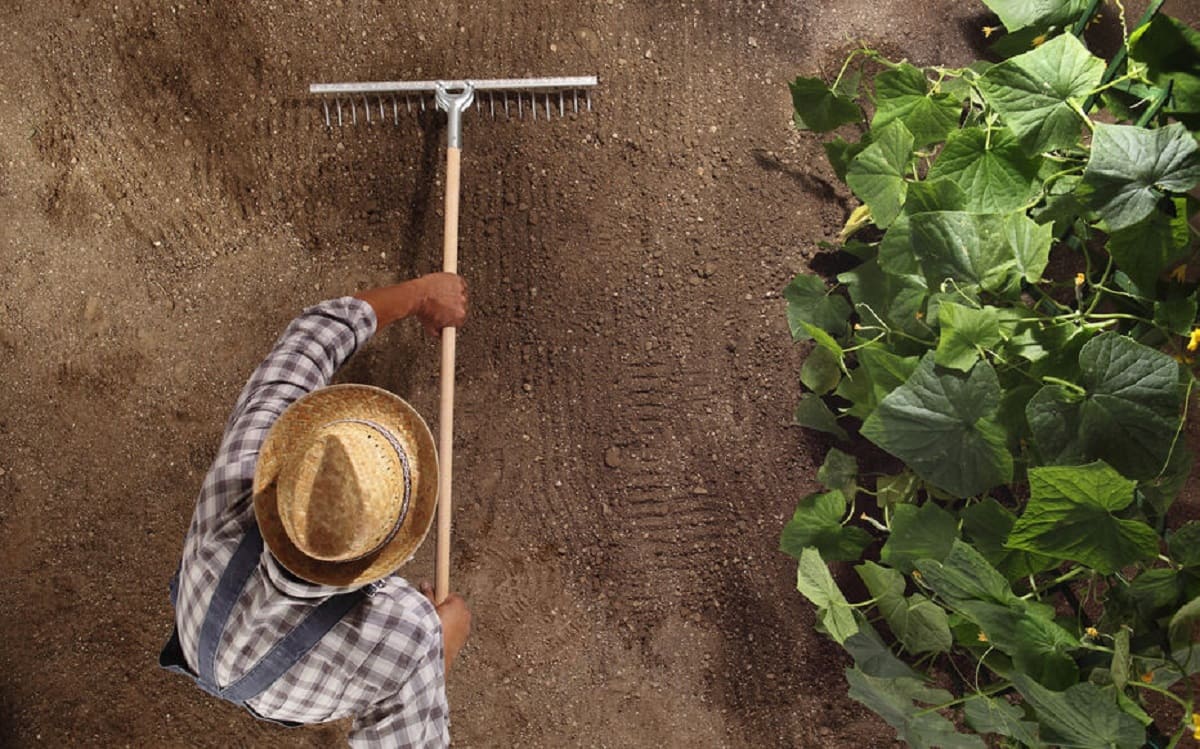

As summer winds down and the last tomatoes and zucchinis leave the garden, many plots begin to empty. But rather than leaving bare soil behind, this transition period is the ideal moment to prepare for autumn and winter crops—and even lay the groundwork for next spring.
Think Rotation Before You Replant
One of the most important rules of healthy gardening is never to replant the same family of vegetables in the same spot year after year. Rotating crops prevents soil fatigue, reduces nutrient depletion, and helps break the cycle of pests and diseases like blight, rust, and clubroot.
To plan effectively, it helps to know your plant families:
- Legumes (peas, beans, broad beans) enrich the soil with nitrogen.
- Solanaceae (tomatoes, potatoes, peppers, aubergines) are heavy feeders and prone to blight.
- Brassicaceae (cabbages, radishes, turnips) thrive in rich soil.
- Apiaceae (carrots, celery, parsley) prefer light, airy soil.
- Alliums (onions, garlic, leeks) are modest feeders but vulnerable to fungal diseases.
- Cucurbits (pumpkins, squashes, courgettes) need warmth and compost-rich beds.
A good cycle typically runs over four to five years, sometimes with a year of rest or green manure in between.
Which Crops to Sow Now
Late summer is far from the end of the gardening season. In fact, it’s the best time to install cold-hardy crops that will feed you through the colder months and protect the soil. Depending on your climate, soil condition, and what grew before, you can plant:
- Winter cabbages, kale, broccoli, and Chinese cabbage, often paired with hardy lettuces or chicories.
- Leafy greens with quick cycles such as lamb’s lettuce (mâche), spinach, arugula, claytonia, and cress.
- Winter leeks, which grow slowly but steadily until spring.
- Late carrots, sown in early August in milder regions.
- Early peas and broad beans, planted in late autumn for a spring harvest.
Preparing the Ground Properly
Before replanting, it’s essential to clean up the bed thoroughly. Remove all old roots, wilted stems, and crop debris that could harbor pests or fungi. Then, loosen the soil with a broadfork or digging fork—but avoid turning it completely. This keeps the layers of soil intact, encouraging beneficial microbes and better root development.
If your soil looks depleted after heavy feeders like tomatoes or potatoes, add a light dose of mature compost to restore balance. Don’t overload—the goal is gentle enrichment, not smothering.
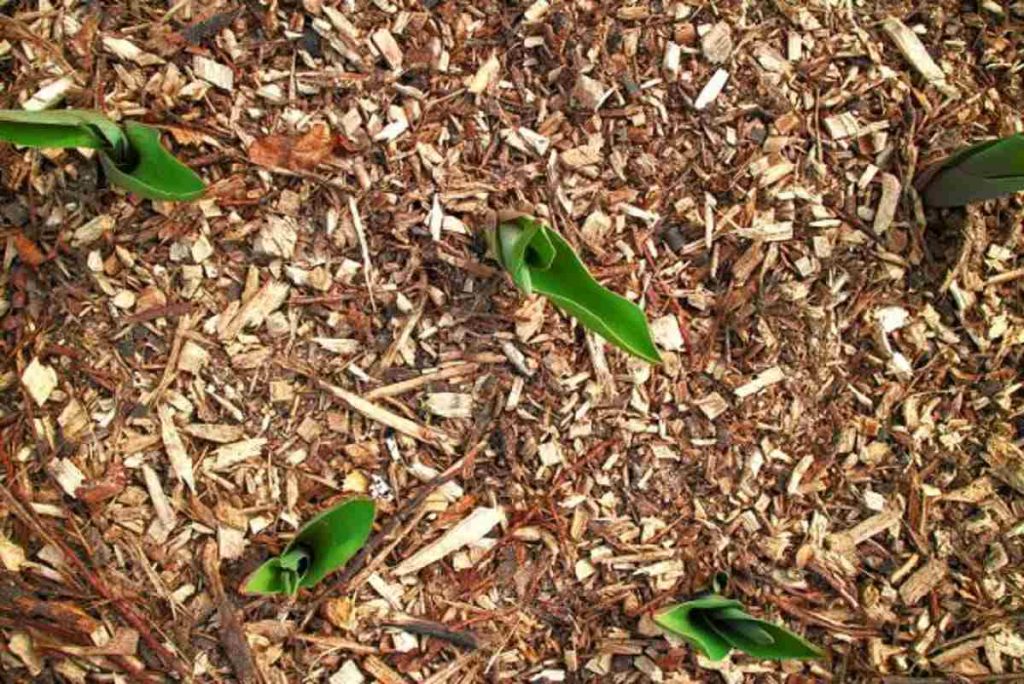
Finally, if a bed won’t be used right away, cover it with mulch (dead leaves, straw, dry grass clippings) or sow a fast-growing green manure like mustard or phacelia. These protect against erosion, retain moisture, and feed the soil life until the next planting.
A Season of Transition, Not Rest
Late summer isn’t just a winding down of the gardening year—it’s a strategic window. By sowing the right crops now and protecting the soil, you’ll enjoy fresh harvests deep into winter and prepare your beds for a vigorous spring.
In gardening, every season sets up the next. And the work you do in August and September may be the key to the most abundant year your garden has ever seen.
