
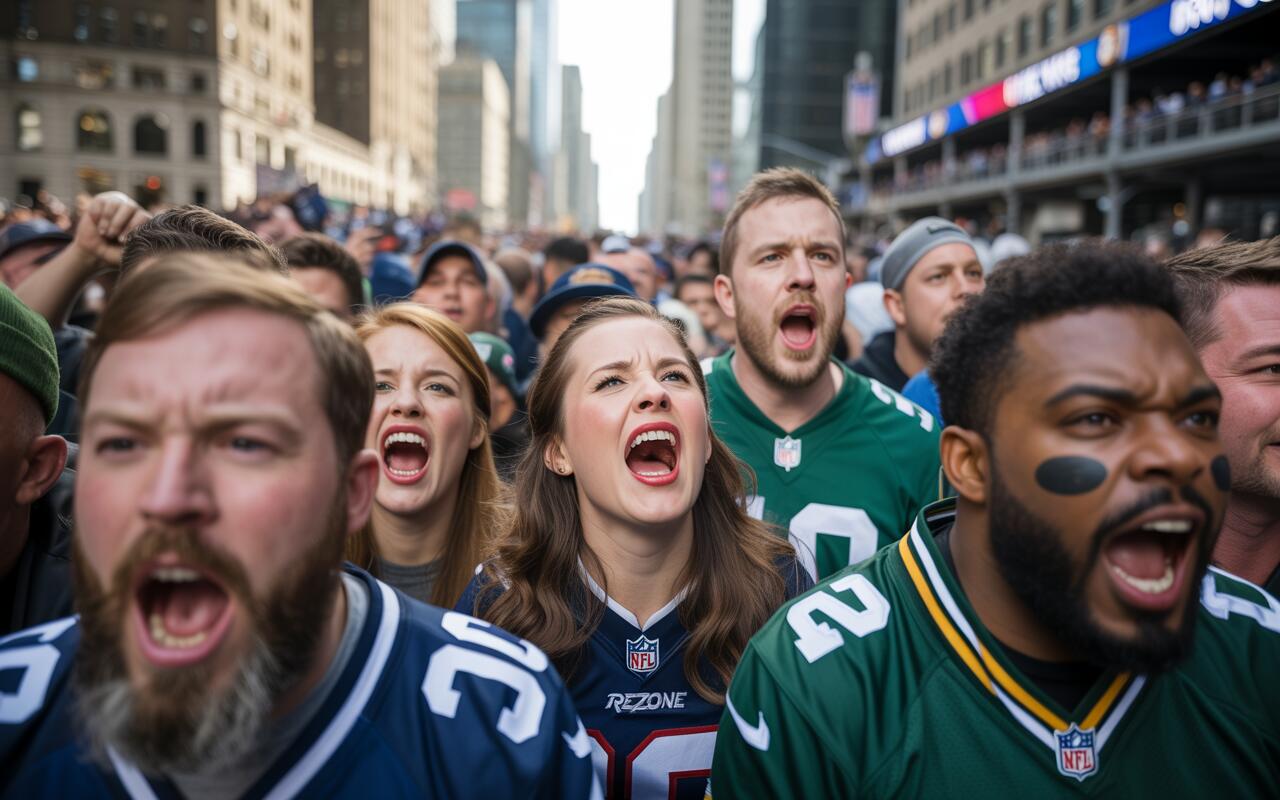

After nearly two decades of commercial-free football, the NFL’s RedZone channel is shaking up its formula this season. The Sunday afternoon staple that millions of fans have come to love for its uninterrupted coverage is now incorporating ads—and viewers aren’t taking it quietly.
RedZone 101: What Makes Sunday Afternoons Special
Picture this: It’s Sunday at 1 p.m. Eastern, and Scott Hanson’s familiar voice cuts through your living room. For the next seven hours, RedZone becomes your window into every touchdown, interception, and game-changing moment across the NFL landscape. No flipping channels, no missing the action.
This subscription-based service has been the NFL’s best-kept secret since 2009, building what you might call a cult following. We’re talking about roughly a million subscribers—not massive by NFL standards, but these fans are die-hard devotees. (Quick confession: I’ve been hooked since 2011, and yes, this change stings a little.)
The Bombshell That Got Everyone Talking
Wednesday’s appearance on The Pat McAfee Show wasn’t supposed to be controversial. Scott Hanson was just doing his usual promotional rounds when he dropped the news: intrusive advertising would debut in Week 1. Cue the collective groan from RedZone Nation.
Breaking Sacred Ground: Why Fans Are Up in Arms
Here’s the thing—RedZone built its reputation on two ironclad brand promises that became gospel for its audience:
First, “Every touchdown from every game.” Whether it happens live or gets squeezed into a replay, RedZone catches it. The Sunday ritual always ends with their signature Touchdown Montage—a rapid-fire celebration of every score from that day’s slate.
Second, and perhaps more sacred: “Seven hours of commercial-free football … starts now.” Those words became Hanson’s battle cry, the phrase that separated RedZone from every other sports broadcast. When regular TV cuts to ads, RedZone cuts to more football. Hanson would often remind viewers with a wink, “We don’t do commercials here on RedZone.”
That commercial-free viewing experience wasn’t just marketing speak—it became the soul of what made RedZone different. Now that’s changing, and fans feel like they’re losing something irreplaceable.
Testing the Waters: Signs Were There
Sharp-eyed viewers might remember late in the 2024 regular season when the NFL quietly tested some in-game advertising during RedZone broadcasts. Even then, Hanson adjusted his famous opening line to just “Seven hours of RedZone football,” dropping the “commercial-free” part. Fans noticed. They always do.
The Fine Print: RedZone’s Advertising History
Let’s be fair—RedZone hasn’t been completely pristine. For years, “presented by” sponsorships from DraftKings and Amazon Prime Video have appeared throughout broadcasts. But these feel different from traditional commercials. They’re brief mentions, not interruptions that pull you away from the action.
What Sunday Will Actually Look Like
Before everyone panics, let’s break down what’s really happening. Across seven hours of football, viewers will see exactly four 15-second ads. That’s it.
These ads will pop up during “double-box” moments—you know, when the screen splits to show two games simultaneously. One side will display live action while the other runs the commercial with audio. Once those 15 seconds wrap up, producers will switch back to their usual mix: two games, four-game “quad box,” single-game focus, or back to Hanson in the studio when everyone else is at commercial break.
The Emotional Reality Check
Fan outrage makes sense when you consider what RedZone represents. People plan their Sundays around this broadcast. They’ve built traditions, rituals, and social gatherings centered on that “commercial-free” promise. Changing the fundamental DNA of something beloved always hurts, even if the change seems minor on paper.
Hanson’s new opening line—”Seven hours of RedZone football … starts now”—might sound the same, but dropping “commercial-free” feels like losing part of the show’s identity.
ESPN’s Role (Or Lack Thereof)
Before anyone starts pointing fingers at ESPN, let’s set the record straight. ESPN neither controls nor owns RedZone right now. Yes, there’s a major deal in the works where ESPN will eventually gain a 10% NFL stake and take over NFL Network properties, including RedZone. But that hasn’t closed yet.
The NFL retains full control of RedZone operations this season and made this decision independently. ESPN isn’t pulling strings from behind the curtain—at least not yet.
The NFL’s business model revolves around licensing content to networks that monetize it through advertising. With millions of weekly viewers, this move aligns with that broader commercial strategy.
And let’s not blame Scott Hanson. The guy’s been RedZone’s heart and soul since 2009, but he doesn’t make business decisions about advertising. He just delivers what we all love: seamless football coverage with infectious enthusiasm.
Will This Actually Matter Long-Term?
Probably not as much as the initial outrage suggests. Four brief ads during seven hours of programming? That’s still incredibly light compared to any other sports broadcast. Fans already tolerate sponsor messages from DraftKings and Amazon without mass exodus.
RedZone remains a unique and valuable way to experience NFL Sundays, even with these minimal commercial interruptions. The core product—comprehensive coverage, expert curation, and Scott Hanson’s masterful hosting—stays intact.
College Football RedZone: The Million-Dollar Question
Don’t hold your breath for a college version. The maze of broadcasting rights, conference agreements, and logistical challenges makes a RedZone-style college football service nearly impossible to execute. The NFL’s centralized structure makes this format work; college football’s fragmented landscape doesn’t.
Photo Credit: Kirby Lee / Imagn Images
