

There is something reassuring about fruit plants that return annually, providing homegrown harvests with minimal effort. These perennial fruits differ from annual crops by offering continuous yields from a single planting. Most require only basic maintenance once established and can thrive for years—or even decades—without the need to start over each season.
What are perennial fruit plants?
Perennial fruits are quite different from typical one-season garden favorites. Once rooted in the ground, these plants do not need to be replanted each spring. Instead, they enter dormancy during winter and resume growth as soon as conditions allow. While some may take time to reach their peak productivity, their ability to return year after year is highly attractive to gardeners in various climate zones.
Common examples of perennial fruits include familiar options such as strawberries, blueberries, and raspberries. Establishing these low-maintenance crops usually involves choosing suitable varieties based on site location, sunlight, and soil conditions. Over time, most will spread or enlarge with little intervention, delivering increasing quantities of fruit as they mature.
Which berries reappear every season?
Berries consistently feature among the top fruits that come back every year. Many berry shrubs and vines develop robust root systems, allowing them to withstand cold seasons and fruit again with minimal extra work from gardeners.
Strawberries and their spreading habit
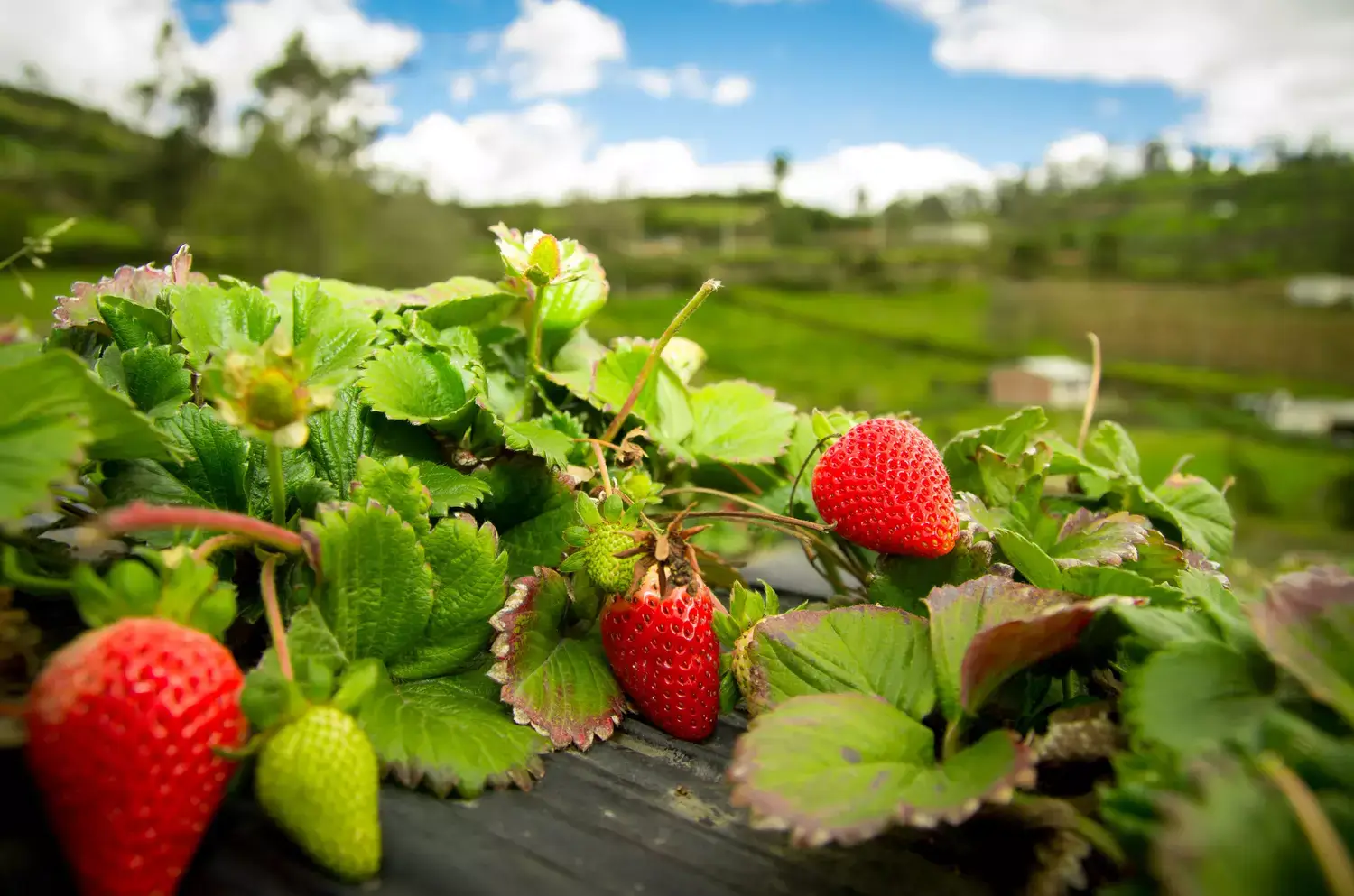
Strawberries often serve as an introduction to perennial gardening due to their rapid returns. Once planted, their runners help colonize bare patches, sprouting new plants that anchor themselves in the soil. This self-propagating habit allows a healthy strawberry patch to flourish for several years with almost no replanting needed.
June-bearing strawberries produce a large crop once per season, while everbearing types yield smaller but repeated harvests throughout summer and early autumn. Both remain productive with periodic mulching and occasional thinning, which promotes airflow and reduces disease risks.
Blueberries: longevity and low upkeep
Blueberry bushes are prized for both their delicious fruit and their resilience. Planted in acidic soil, these woody shrubs require little more than watering during dry spells and seasonal pruning. Although initial growth is slow, mature bushes provide reliable harvests year after year and can remain fruitful for decades if left undisturbed.
A layer of mulch keeps blueberry roots cool and moist, building strong foundations for steady production. Their flowers attract pollinators, offering ecological benefits alongside abundant fruit.
Raspberries and blackberries: vigorous and persistent
Cane berries such as raspberries and blackberries quickly establish dense thickets when given enough space and sunlight. Their underground rhizomes send up new canes annually, ensuring ongoing fruit production even if older stalks are pruned away. Regular support and strategic cutting to remove spent stems keep these plants thriving.
Red raspberries typically fruit twice a year, while blackberries concentrate their harvest in midsummer. Both benefit from a generous layer of organic matter in spring, which boosts growth and preserves moisture during hot months.
Other fruiting perennials for the home garden
While berries dominate many lists, several other perennial fruit options deserve attention for those seeking variety. Some require specific climates or growing conditions, but all reward patient growers with repeat performances every year.
Rhubarb: fast-growing spring favorite
Rhubarb stands out not for its fruit, but for its edible stalks, which emerge in early spring before most fruits appear. It is hardy, often outlasting other garden plants, and regrows vigorously from the same crown each season. Provided it receives full sun and well-drained soil, rhubarb can persist for well over a decade with very little care.
After an initial establishment period, annual harvests become routine. Leaving part of the stalks in place each year helps fuel the next cycle, ensuring another flush following winter’s thaw.
Currants and gooseberries: compact but prolific
Currant and gooseberry shrubs adapt easily to small spaces and are valued for their tangy, jewel-like fruit. These European natives tolerate colder temperatures and grow well in partial shade or sunny spots. Undisturbed, bushes stay productive for decades and often increase their yields with age.
Pruning old wood encourages consistent harvests and supports plant health. Most varieties resist common pests, making them ideal for low-maintenance gardens.
Unusual options for adventurous gardeners
For those interested in unique shapes and flavors, certain exotic perennial fruits offer intrigue and resilience. Some require warmer climates, while others adapt to various conditions if protected from extremes.
Grapes: ancient vines with lasting power
Grape vines have been cultivated for thousands of years and continue to feature prominently in home gardens. Once established, grape plants regenerate from their base even after heavy pruning, with new shoots producing bountiful clusters each season. Regular trimming shapes the vine, controls vigor, and enhances fruit quality.
Even in less-than-ideal soils, grapes endure thanks to deep-rooted structures. Depending on the variety, harvest times range from late summer to early fall, and most vines continue to bear fruit for generations.
Dragon fruit: tropical flair with nocturnal blooms
Dragon fruit, also known as pitaya, flourishes in warm regions and thrives under full sunlight. Its cactus-like stems produce dramatic night-blooming flowers followed by brightly colored fruit. In frost-free settings, these unusual perennials grow rapidly and regenerate easily from cuttings or grounded segments.
Although sensitive to cold snaps, dragon fruit has gained popularity for its reliability where the climate is suitable. Minimal replanting is required once a healthy specimen anchors itself in the garden.
Figs: adaptable producers for mild climates
Figs are well-suited to Mediterranean-like environments, where mild winters allow them to recover after losing their leaves. Woody branches send out fresh shoots each spring, developing fruit on both old and current year’s growth. Careful pruning encourages heavy yields, and mature fig trees display impressive drought resistance.
With ample sunshine and room to expand, fig trees remain productive for decades without replacement. They are especially valuable in areas prone to dry spells.
Best practices for growing perennial fruits
Success with perennial fruits depends on proper site selection and careful establishment. Most benefit from fertile soil, good drainage, and either full or partial sun. Adequate spacing between plants increases air movement, encourages vigorous growth, and lowers the risk of pests and disease.
Routine tasks after planting include mulching, annual pruning, and occasional fertilization. With just these simple interventions, perennial fruit plants reward their caretakers with reliable harvests and a reduced workload compared to annual crops.
