
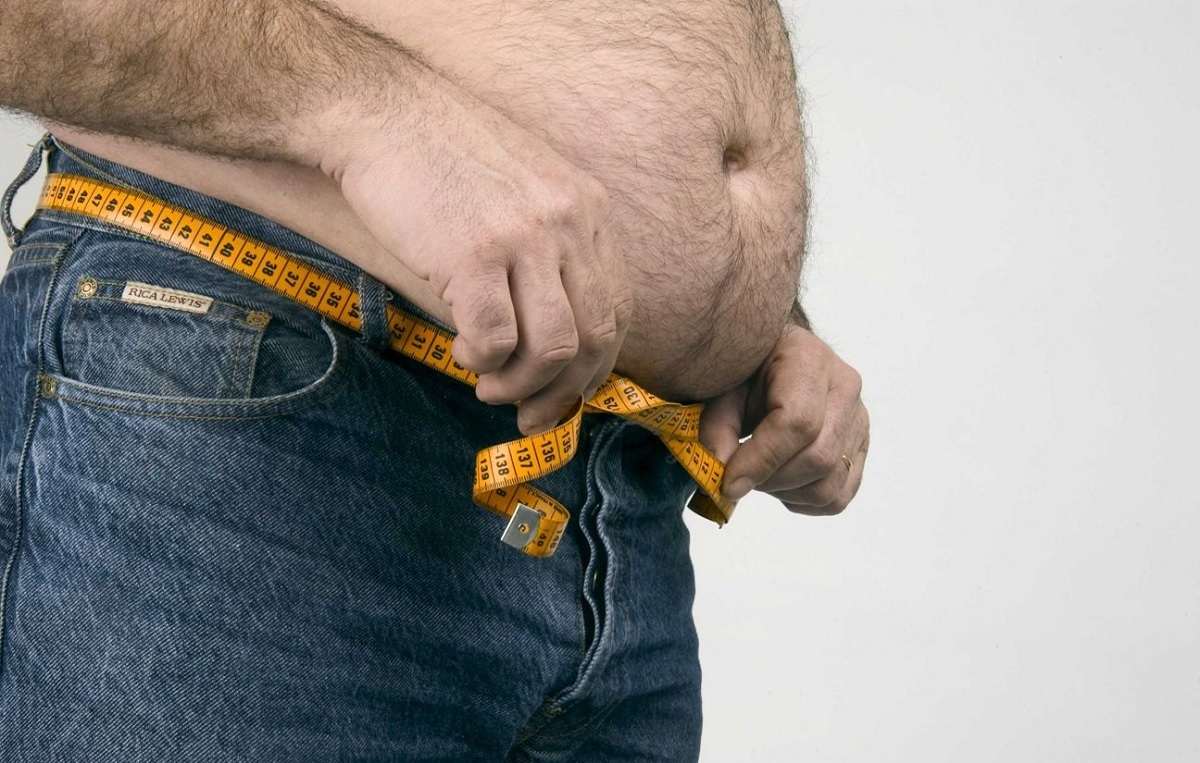

Belly fat is more than a cosmetic issue; it’s a health signal we can’t afford to ignore. While nutrition plays a role, everyday habits often weigh just as heavily in how our bodies store or burn fat.
Why Belly Fat Is So Stubborn
In recent years, scientists have paid special attention to abdominal fat, the type that accumulates around the waist and clings on despite dieting. According to the American Heart Association, excess belly fat significantly raises the risk of cardiovascular disease and type 2 diabetes. Unlike subcutaneous fat, which sits under the skin, visceral fat wraps around vital organs, making it particularly harmful.
Many people are surprised to learn that simply eating less doesn’t solve the issue. Restrictive diets often slow the metabolism, making fat loss even harder. Instead, experts recommend strategies that help the body “unlock” stored fat while balancing hormones tied to hunger and energy.
Rethinking Your Relationship With Food
One of the biggest misconceptions is that smaller, low-calorie meals are always better. In reality, what works is better meals, not fewer meals. Larger, balanced plates rich in protein and healthy fats can stabilize blood sugar, calm cravings, and keep you satisfied for hours.
Take breakfast, for instance. A sweet pastry and coffee might feel like a quick fix, but many people experience a mid-morning energy crash. I used to hit that slump around 11 a.m. every day — shaky hands, sudden hunger, the works. Switching to a savory, protein-rich breakfast made all the difference. Nutritionists confirm that the first foods you eat in the morning shape your hormone responses for the entire day.
Did you know?
Research from Harvard Medical School shows that diets higher in protein help regulate ghrelin, the hormone that drives hunger.
The Role of Intermittent Fasting
Another habit that has gained traction is intermittent fasting. Done correctly, it gives the liver time to rest and encourages the body to tap into fat reserves, particularly visceral fat. The key isn’t just fasting, but breaking the fast with the right foods — steering clear of sugar and focusing instead on proteins, vegetables, and whole grains.
When snacking becomes constant, the body remains in a “storage” mode, never reaching the point where fat burning kicks in. By spacing meals and avoiding constant grazing, many people find their metabolism resets naturally.
How Movement Supports Fat Loss
While food habits matter, movement is a powerful ally. To target subcutaneous fat — the pinchable layer under the skin — combining a nutrient-rich diet with activity is effective. The good news? You don’t need to run marathons. Simply walking after meals or staying active throughout the day can tip the scale toward fat loss.
For those who enjoy exercise, strength training and HIIT (high-intensity interval training) are particularly effective. They help rebuild muscle lost from years of dieting, which in turn boosts the resting metabolic rate. The Centers for Disease Control and Prevention (CDC) note that regular strength work improves both weight management and long-term health outcomes.
It’s Never Too Late to Start
Perhaps the most encouraging message is that age or body size doesn’t have to hold you back. Many people assume they’re “too old” or “too stuck” in their habits to change, but research shows metabolism can be improved at any stage of life. Building small routines — from swapping breakfast choices to taking a brisk walk after dinner — can slowly but surely reduce belly fat.
Taking control of your habits may not deliver overnight miracles, but it lays the foundation for lasting health and a lighter, stronger body. Sometimes the real battle isn’t against food itself but against the daily patterns we barely notice.
