
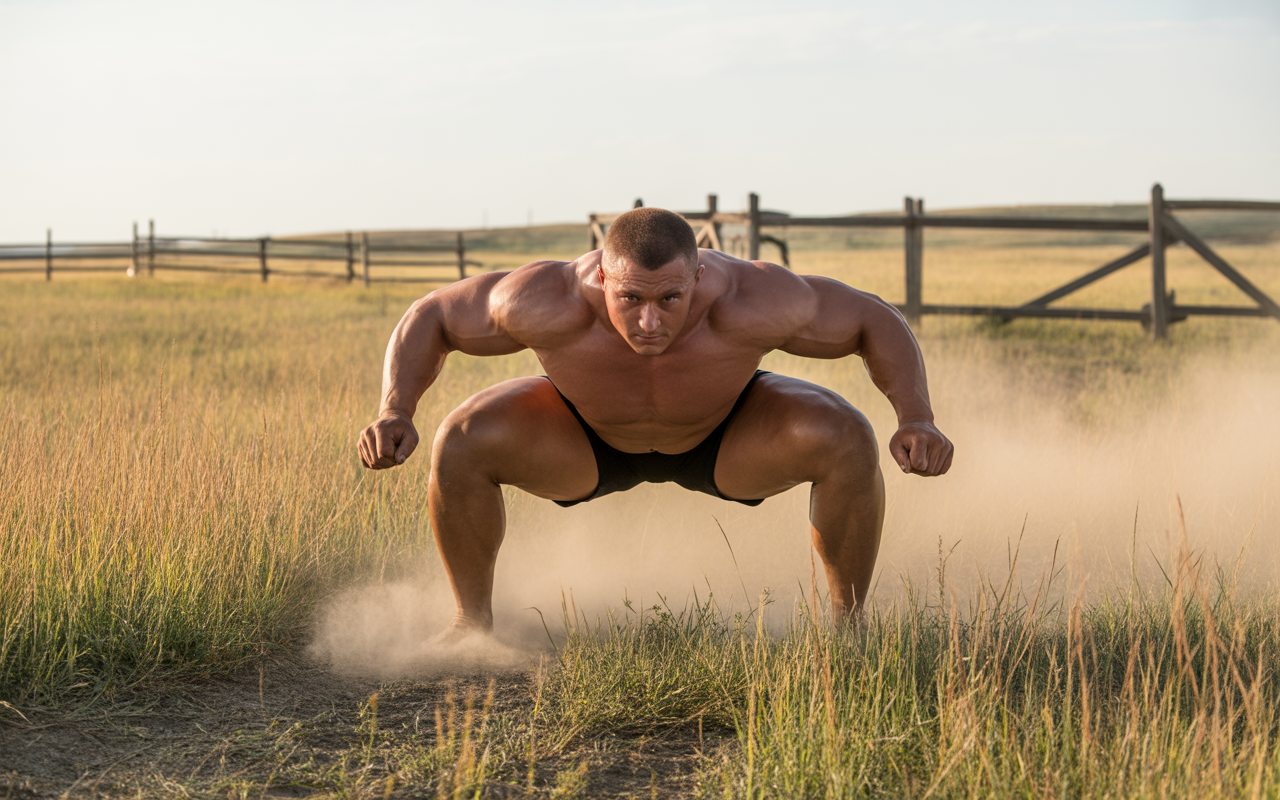

Looking to take your leg workouts to the next level? The squat sumo is a game-changing exercise that can dramatically improve your lower body strength and flexibility. Unlike traditional squats, this wide-stance variation puts greater emphasis on your inner thighs and hip muscles. By adopting a stance similar to that of a sumo wrestler, with feet positioned wider than shoulder-width and toes pointed outward, you’ll engage different muscle groups and potentially see faster results. Whether you’re a beginner or an experienced lifter, mastering this powerful movement can transform your fitness journey.
The squat sumo is a powerful lower body exercise that targets your inner thighs, glutes, and hips more effectively than regular squats. This wide-stance movement involves positioning your feet wider than shoulder-width apart with toes pointed outward, creating a stance similar to a sumo wrestler’s position.
Learning proper squat sumo technique can transform your workout routine and unlock new levels of strength and flexibility. Many people struggle with this exercise because they don’t understand the key differences from traditional squats.
What are the key techniques for mastering sumo squats?
Getting your foot placement right is the foundation of a good sumo squat. Position your feet wider than shoulder-width apart with toes pointing outward at about 45 degrees. This setup helps you engage your inner thigh muscles much better than narrow stances.
Keep your chest up and back straight throughout the entire movement. Your knees should track over your toes as you lower down – never let them cave inward. This tracking pattern protects your joints and maximizes muscle activation.
We recommend using a mirror or recording yourself during practice sessions. Visual feedback helps you spot form issues you might not feel while performing the exercise. Focus on controlled movement rather than speed when you’re learning.
The descent should be smooth and deliberate. Lower yourself until your thighs are parallel to the floor, then drive through your heels to return to the starting position. Keep your weight distributed evenly across your feet.
The benefits of sumo squats for strength and flexibility
Sumo squats activate more gluteus maximus, gluteus medius, and adductor muscles compared to traditional squats. This enhanced muscle recruitment leads to improved hip flexibility and strength that carries over to daily activities and other exercises.
Regular practice can increase your lower body strength significantly. Studies show consistent sumo squat training over 8-12 weeks can boost strength by approximately 15-20%. That’s a substantial improvement for any fitness goal.
Your hip mobility will improve noticeably with regular training. Many people see better range of motion within just a few weeks of consistent practice. This increased mobility helps with everything from walking upstairs to playing sports.
The wide stance also challenges your balance and coordination differently than narrow-stance exercises. This variation helps develop more complete lower body control and stability.
Common mistakes to avoid when performing sumo squats
Even experienced lifters make errors with sumo squats. Understanding these common problems helps you avoid injury and get better results from your training sessions.
Incorrect foot positioning
Letting knees cave inward is one of the most dangerous mistakes you can make. This error reduces the exercise’s effectiveness and significantly increases your injury risk. Your knees should always track in the same direction as your toes.
Many people also place their feet too wide or too narrow. Finding your optimal stance width takes practice – start with a comfortable wide position and adjust based on how it feels during the movement.
Toe angle matters more than most people realize. Pointing your toes too far out or keeping them too straight forward changes which muscles work hardest. The sweet spot is usually around 45 degrees outward.
Failing to engage the core
Not engaging your core leads to balance problems and improper squat depth. A weak core reduces benefits and increases your chance of injury during the exercise.
Think about bracing your abs like someone’s about to punch your stomach. This activation should happen before you start descending and continue throughout the entire movement.
Poor core engagement also affects your posture during the squat. You might lean too far forward or arch your back excessively, both of which compromise the exercise’s safety and effectiveness.
Incorporating sumo squats into your workout routine
We suggest performing sumo squats 2-3 times per week with adequate rest between sessions. Your muscles need time to recover and adapt to the training stimulus.
Start with 3 sets of 10-15 repetitions and gradually increase intensity as you get stronger. This progression allows your body to adapt safely while building strength and endurance.
Place sumo squats early in your workout when your energy levels are highest. Complex movements like these require focus and coordination that diminish as you get tired.
Pair them with complementary exercises like lunges, hip thrusts, or regular squats for a complete lower body workout. This combination targets all major muscle groups from different angles.
Advanced tips for perfecting your squat sumo form
Once you’ve mastered the basics, several advanced techniques can take your sumo squats to the next level. These methods challenge your muscles in new ways and prevent training plateaus.
Variations of the squat sumo
Adding resistance bands around your thighs creates extra tension that forces your glutes to work harder. This simple addition can make bodyweight squats much more challenging.
Holding kettlebells or dumbbells in front of your body increases the load on your legs and core. Start with lighter weights and focus on maintaining perfect form as you add resistance.
Pause squats involve holding the bottom position for 2-3 seconds before standing up. This variation builds strength in your weakest range of motion and improves overall control.
Tempo training involves controlling the speed of each phase. Try lowering for 3 seconds, then exploding upward as fast as possible. This method improves muscle activation and power development.
Equipment to enhance your technique
Resistance bands from quality brands help maintain correct knee tracking during the movement. Place them around your thighs to create outward tension that fights against knee cave.
Proper weightlifting shoes with flat, firm soles provide better stability and support than regular sneakers. The solid base helps you maintain balance and transfer power more effectively.
Trap bars offer a different loading pattern that some people find more comfortable than holding weights in front. The handles allow for a more natural grip position during the exercise.
Adjustable weight plates let you progress gradually without big jumps in resistance. Small increases help you build strength steadily while maintaining good form throughout your training.
Frequently Asked Questions
What is a sumo squat?
A sumo squat is an effective lower body exercise performed with a wide stance, targeting your inner thighs, glutes, and hips more effectively than traditional squats.
How do you do a sumo squat correctly?
To do a sumo squat correctly, position your feet wider than shoulder-width apart with toes pointed outward. Keep your chest up and back straight while lowering down, ensuring your knees track over your toes without caving inward.
What are the benefits of sumo squats compared to traditional squats?
The benefits of sumo squats compared to traditional squats include improved muscle recruitment of the glutes and inner thighs, which enhances both hip flexibility and overall strength, leading to better performance in daily activities.
Why is proper foot positioning important in sumo squats?
Proper foot positioning is crucial in sumo squats to engage your inner thigh muscles effectively and prevent common mistakes like letting your knees cave inward, which can increase injury risk.
How can you incorporate sumo squats into your workout routine?
You can incorporate sumo squats into your workout routine by performing them 2-3 times per week, starting with 3 sets of 10-15 repetitions, and pairing them with complementary exercises for a complete lower body workout.
What are some common mistakes to avoid when performing sumo squats?
Some common mistakes to avoid when performing sumo squats include incorrect foot positioning, failing to engage your core, and allowing your knees to cave inward, which can lead to reduced effectiveness and increased injury risk.
