
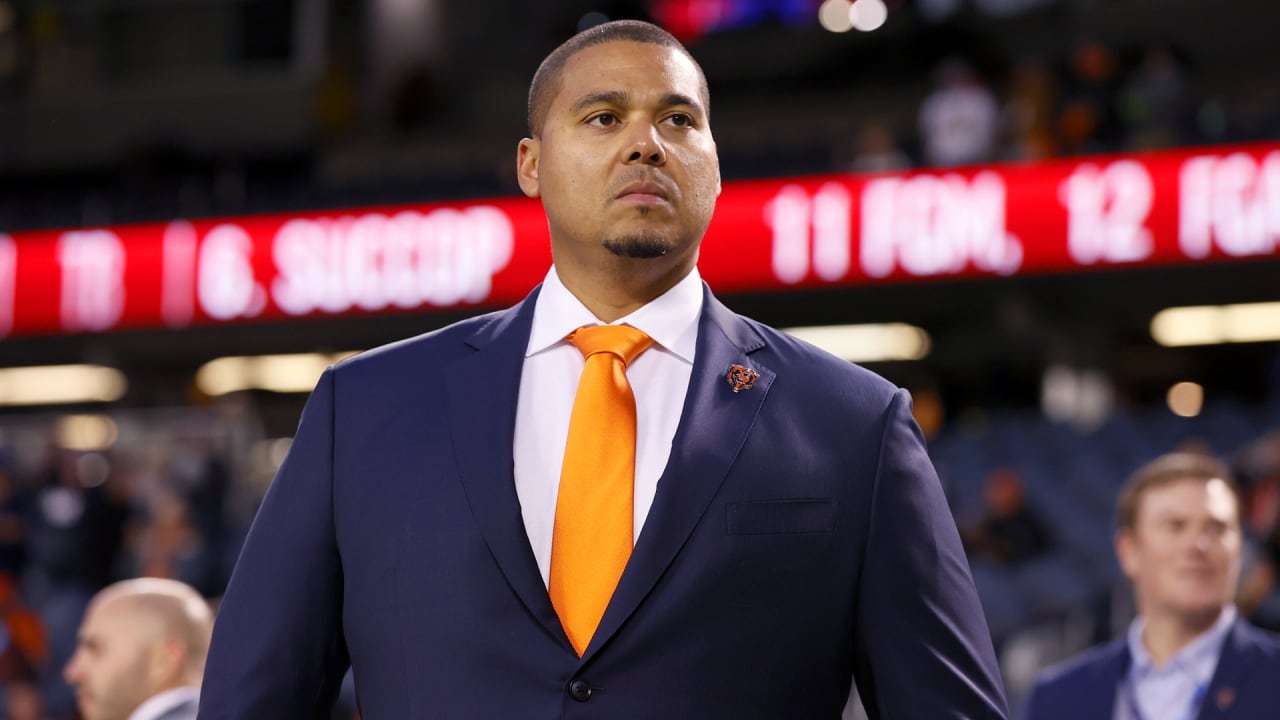

The landscape of the NFL draft often shifts dramatically depending on who leads a franchise’s front office. When ryan poles assumed the role of general manager, expectations soared for a chicago bears team eager for renewal. Many speculated about how this change in leadership would influence the organization’s approach to acquiring talent, managing assets, and reconstructing the roster. Early decisions revealed a readiness to be bold, but the true legacy of a general manager is defined by risk-taking, strategic choices, and learning from gambles that do not succeed. By examining the patterns forming under ryan poles, valuable insight emerges into his draft philosophy, trade maneuvering, and the lessons drawn from both achievements and setbacks.
Setting the tone: ryan poles’ first moves
Before speaking publicly or greeting new rookies, ryan poles sent clear messages through calculated trades and distinct priorities. Rather than holding onto established veterans, he chose youth, flexibility, and cap efficiency—frequently moving experienced players for future draft picks. This immediately set him apart from previous regimes that sometimes clung to aging talent beyond its prime.
Within weeks, the club’s draft history began to take a new direction. By trading away proven names and gathering additional selections, poles collected more opportunities for rebuilding. This strategy increased pressure on scouting and player development while placing trust in a process over individual star power.
Trading down and stockpiling capital
A noticeable trend quickly developed: trading down to accumulate more assets. Instead of chasing high-profile, top-ten prospects, ryan poles prioritized volume—preferring multiple mid-round selections to one headline-grabbing pick. If value appeared deeper on the board, he rarely hesitated to turn a single high slot into several later choices.
This method aims to maximize resources and unearth hidden gems where others might overlook potential. Executed well, such a draft strategy can transform modest selections into foundational contributors, building depth at positions that rival franchises may ignore.
Picks with positional versatility
Another hallmark of this era is targeting draft picks capable of performing in various roles. Rather than assigning a rookie to a single position or scheme, emphasis falls on acquiring athletes able to contribute across the field. Versatility raises a player’s chances of making an impact, especially as injuries and tactical changes demand week-to-week adjustments.
This preference is evident in recent classes, with many draftees switching between guard and tackle or handling responsibilities at both linebacker and safety. Such adaptability fits today’s game, which rewards creativity and constant lineup changes.
Evolving philosophies and analytics-driven approaches
Ryan poles does not rely solely on intuition during the nfl draft. His leadership emphasizes data, analytics, and evidence-based evaluations when assessing prospects. This means updating traditional scouting techniques and integrating advanced metrics throughout every phase of the evaluation process.
Each draft cycle brings subtle refinements as new information becomes available. Data experts track everything from athletic testing to age profiles and college production. The growing reliance on these tools shapes not only who gets selected but also how value is weighed against other teams’ draft boards.
Weighing risk versus upside
Sometimes, draft strategy centers on gambling with raw potential instead of proven track records. Under poles, there is a strong awareness of ceiling—even for players whose college performance may not stand out. Athletes boasting remarkable physical traits but limited experience often receive close attention, with hopes pinned on rapid development given proper support.
This risk-versus-reward calculation has produced memorable successes and notable draft misses. Pursuing upside appeals to those seeking quick transformation, though it occasionally places unproven players in the spotlight before they are fully ready.
Adapting to needs without overreaching
While analytics and “best player available” philosophies dominate discussions, practical realities require balancing pure talent acquisition with filling immediate roster gaps. Ryan poles adapts his tactics according to team needs but remains cautious about reaching too far for a specific position. Maintaining discipline prevents panic moves, ensuring that rankings remain honest even amid urgency.
This blend of patience and need-awareness guides each selection. It helps reduce costly mistakes, keeping the process transparent and grounded in consensus evaluations within the war room.
Key successes and standout draft picks
Every general manager seeks validation through draft picks who make instant contributions or develop into long-term cornerstones. In the ryan poles era, several choices have emerged as vital pieces in the ongoing rebuild of the chicago bears.
From immediate starters to unexpected contributors, these successes highlight careful planning, adaptability, and the value of betting on growth potential rather than just name recognition.
Immediate impact players
Some recent draftees stepped directly into significant roles, displaying glimpses of what was envisioned during their recruitment. These instant-impact players reinforce faith in the current evaluation system and provide competitive advantages thanks to cost-effective rookie contracts.
They set examples for newcomers and confirm the value of preparation ahead of the nfl draft, showcasing successful collaboration among scouts and coaches.
Mid- and late-round finds
A key feature of poles’ tenure is the ability to discover contributors outside the early rounds. Securing value after day one can swiftly reshape a roster lacking blue-chip stars. Many fans now recognize lesser-known selections who play substantial minutes or offer dependable depth as genuine victories in talent acquisition.
Examples of these wins include:
- Rotational defensive linemen stepping up when injuries strike
- Special teams standouts drafted after round four
- Offensive threats delivering despite understated college careers
These breakthroughs help keep payroll manageable and enable greater agility for future free agency plans.
Notable misses and learning opportunities
No draft history is flawless. Every front office experiences draft misses—prospects who fail to adapt or develop for a variety of reasons. For all the success stories, the ryan poles era includes its share of cautionary tales woven into the club’s organizational memory.
Highlighting these cases does not diminish the broader vision; rather, it clarifies areas needing improvement. Honest reflection on missteps steers future draft meetings as much as celebrating triumphs.
High-risk gambles gone wrong
Certain selections once hailed as bargains have faltered upon closer inspection. Frequently, these are prospects picked for unique attributes or projected leaps in performance, yet inconsistencies or health issues stall their progress. Sometimes, a player’s learning curve proves more challenging than anticipated, underscoring the difficulties in projecting intangibles like resilience or football intelligence.
Analysts cite particular failures—whether offensive experiments that fizzled or defenders unable to secure regular playing time—as motivation to revisit scouting priorities and skills assessment. These experiences inform the next draft cycle more than most realize.
Evaluating positional priorities and approach
Draft misses often cluster around certain positions, revealing philosophical tendencies or blind spots in talent identification. Prioritizing speed at wide receiver, for instance, may yield diminishing returns if physicality or route running is overlooked. Alternatively, emphasizing developmental projects over steady producers can backfire when immediate results are needed.
Reviewing these outcomes encourages future leaders to diversify their approach and avoid narrow thinking when filling priority positions.
The shifting narrative around trade strategy
No examination of this era would be complete without considering how trade strategy intertwines with overall draft philosophy. Whether moving up, sliding down, or recovering lost capital from past seasons, shrewd trading reflects both resourcefulness and long-term vision under ryan poles.
By embracing flexibility whenever possible, the organization continues to create margin for error—redeploying assets if original plans fall short and always pursuing advantageous deals in subsequent years. While every transaction carries inherent risks, transforming surplus into additional draft picks remains central to this evolving model.
