
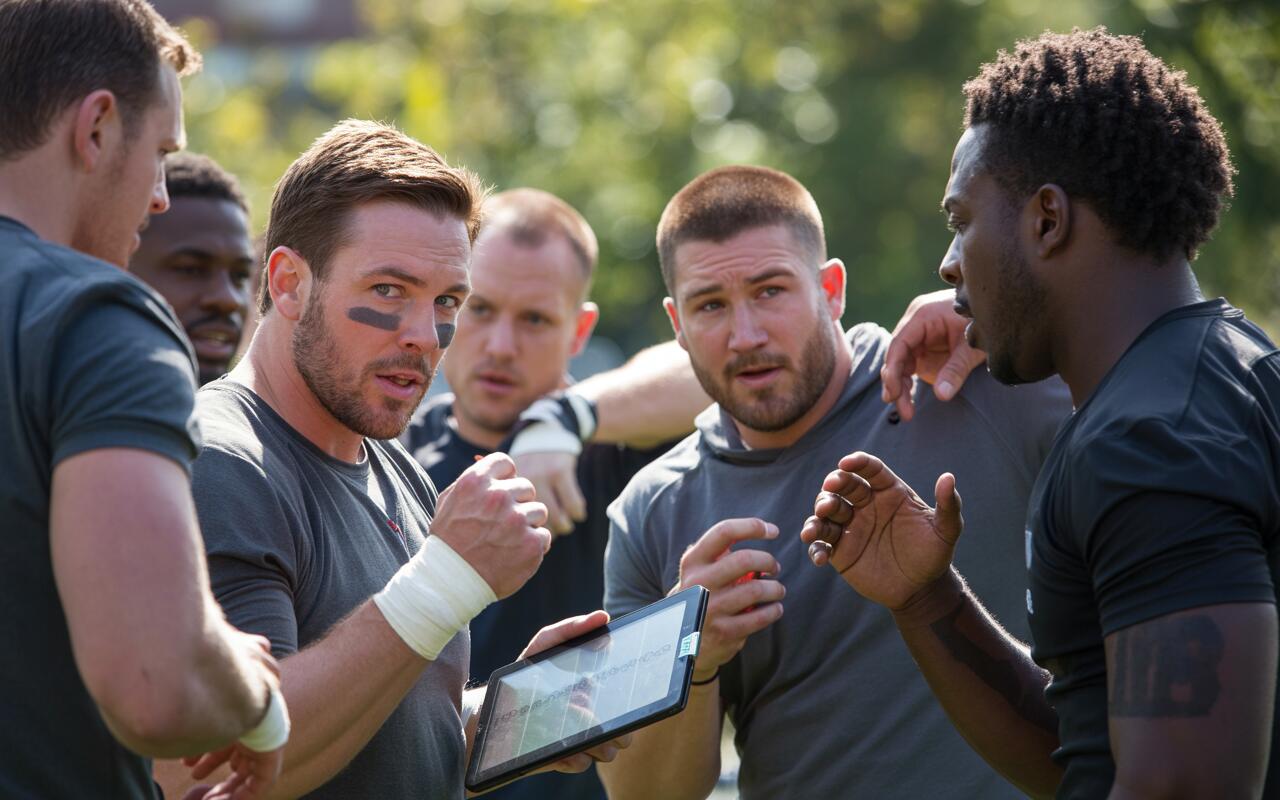

The Minnesota Vikings found themselves in uncharted territory last season. Their prized first-round pick, quarterback J.J. McCarthy, went down with a torn meniscus in his right knee during preseason—wiping out his entire rookie campaign before it even started. But rather than let their investment sit idle on injured reserve, the organization crafted something of a masterclass in player development without the player actually playing.
O’Connell’s Sacred Hour: Building Tomorrow’s Leader One Session at a Time
Vikings head coach Kevin O’Connell did something unusual throughout 2024. Every single week, he carved out exactly one hour that belonged entirely to McCarthy. No assistant coaches, no game planning meetings, no media obligations—just the two of them, usually on Thursday afternoons once the offensive game plan had been locked in place.
These weren’t your typical coach-player sit-downs either. O’Connell would walk McCarthy through complex scenarios, let him mentally rehearse plays he couldn’t physically run, and sometimes they’d talk about life beyond football. The recovery process, dealing with frustration, staying mentally sharp when your body won’t cooperate—all fair game in these sessions.
“He had great questions, and that validated he was getting something out of the time,” O’Connell reflected. The coach recognized early that keeping McCarthy’s mind in the game might be just as valuable as any physical reps he was missing.
McCown’s Mental Gymnasium: Turning Film Study into Quarterback Boot Camp
Enter Josh McCown, the Vikings’ quarterbacks coach who spent 18 seasons getting knocked around NFL fields before transitioning to the sidelines. McCown understood better than most what it meant to stay ready when you’re not getting snaps. His solution? Transform McCarthy into the most prepared backup quarterback who’d never taken a meaningful snap.
The assignments were extensive and varied. One week McCarthy might be breaking down the entire third-down playbook in writing. Another week, he’d prepare detailed scouting reports on upcoming defensive coordinators, studying their tendencies like he was preparing to face them himself. Sometimes he’d present his findings to the coaching staff, essentially becoming an unpaid graduate assistant with a multi-million-dollar contract.
“You try to engage him as if he’s playing, and he was on top of it,” McCown said. The key was avoiding that dreaded “out of sight, out of mind” syndrome that can derail sidelined players faster than any physical injury.
High-Tech Preparation: When VR Meets Viking Ambition
The Vikings didn’t stop at traditional film study. They loaded McCarthy up with every technological advantage they could get their hands on. Standard game tape was just the beginning—they gave him access to helmet-cam footage from then-starter Sam Darnold, letting him see exactly what quarterbacks see in real time.
The helmet-cam feeds included pre-snap reads, post-snap adjustments, and all the chatter between offensive and defensive units that typically gets lost in broadcast footage. Add in virtual reality setups and specialized viewing equipment, and McCarthy was getting a quarterback education that might have been more comprehensive than some starters receive during actual game weeks.
The Missing Pieces: What No Amount of Film Can Replace
For all their creativity, the Vikings coaching staff knew they couldn’t replicate everything. McCown put it perfectly when he compared the situation to a golfer missing time at the driving range—you can study swing mechanics all day, but there’s something irreplaceable about actually hitting balls when the stakes are low.
Scout team reps, those messy moments when plays break down and quarterbacks have to improvise, the split-second timing that only comes from throwing to receivers in traffic—all of that was simply unavailable to McCarthy. The mental preparation was thorough, but the physical application remained theoretical.
To stay mentally centered during this frustrating period, McCarthy turned to an unexpected tool: a gratitude journal. Inspired by his college life coach, he made daily entries focusing on growth opportunities rather than dwelling on what he was missing. Combined with his regular check-ins with O’Connell and the coaching staff, this practice helped him maintain perspective during what could have been a devastating setback.
Betting the Farm: Why Minnesota Cleared the Quarterback Room
The Vikings’ confidence in McCarthy shows up most clearly in their personnel decisions. They let 2024 starter Sam Darnold walk in free agency. They passed on veteran options like Daniel Jones and Nick Mullens. They didn’t even kick the tires on Aaron Rodgers when he became available. Instead, they’re handing the keys to a 22-year-old who missed his entire rookie season.
It’s worth noting that McCarthy became the first first-round quarterback since the modern draft era began in 1967 to miss a complete rookie season due to injury. That’s not exactly a confidence-inspiring precedent, but Minnesota seems to view it differently. They see a young quarterback on an affordable rookie contract, a development year that didn’t count against his learning curve, and a chance to build something sustainable.
The approach reflects both patience and calculation—patience to let McCarthy develop properly, and calculation about the value of keeping a talented quarterback on a rookie deal while building a competitive roster around him.
J.J. McCarthy will finally make his NFL regular-season debut when the Vikings face the Chicago Bears on Monday Night Football in Week 1. After a year of preparation unlike any other, we’re about to find out whether Minnesota’s unprecedented investment in their sidelined quarterback will pay off on the field.
