

We all have our go-to comfort foods. That Friday night pizza washed down with a fizzy drink, or the hot dog that magically appears at every BBQ — we’re only human. Even gut specialists would agree that the occasional indulgence is part of a balanced life. But there are a few items that, if you asked them off the record, they’d admit they try to steer well clear of. Not out of fear, but out of knowledge. Because these foods have a sneaky habit of irritating your insides, stirring up trouble, and in the long run, making your digestive system work harder than it should.
So, what are these digestive culprits? Let’s take a peek at the no-thank-you list of those who know guts best.
Protein bars: not as saintly as they seem
You’d think something with the word “protein” slapped on the wrapper would be good for you. But many protein bars are more chemistry lab than food. Stuffed with artificial additives, sugar alcohols, and unpronounceable preservatives, they can leave your stomach bloated and gassy — not exactly the post-gym glow you were after.
According to gastroenterologists, natural alternatives like nuts, seeds, or a spoon of peanut butter on toast deliver similar protein without the stomach drama. A homemade snack wins, every time.
Red meat: tasty, but taxing
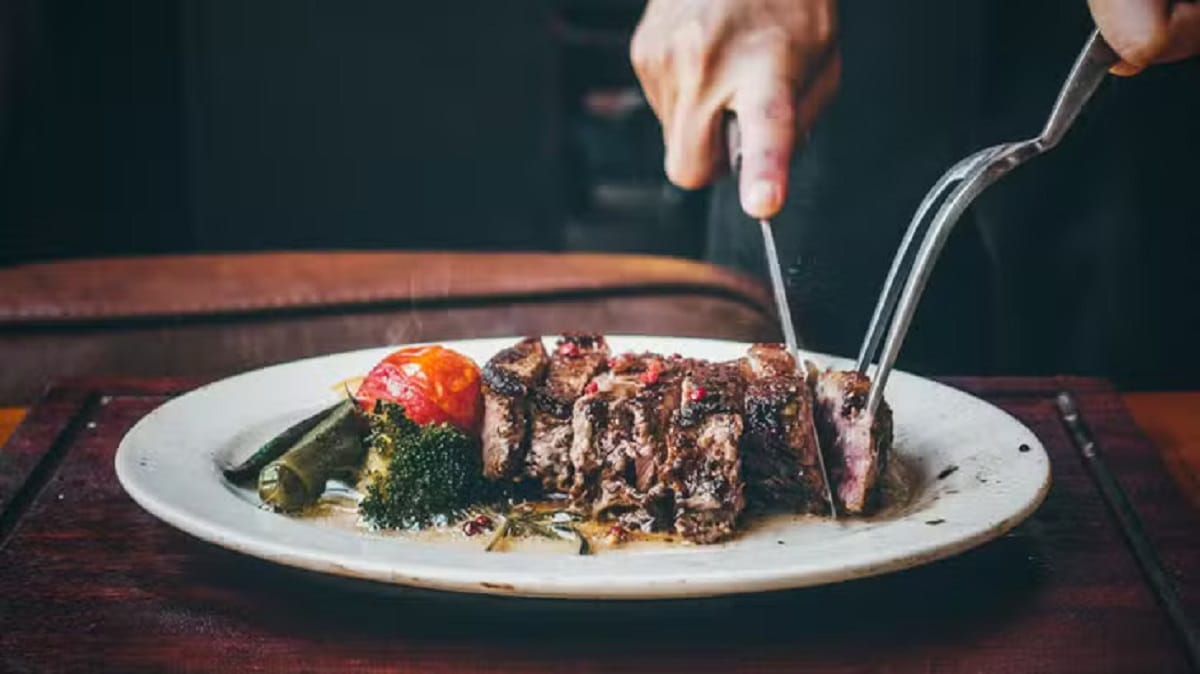
Let’s be honest — a well-cooked steak or juicy burger is a tough one to resist. But red meat has a dark side. It’s rich in saturated fats and, when eaten regularly, has been linked to an increased risk of colon cancer and inflammatory conditions of the gut. Several specialists recommend treating red meat as an occasional treat, rather than a staple.
If you do indulge, think small portions and balance it out with fibre-rich veg. Your gut bacteria will thank you for it.
Processed meats: not your belly’s best friend
We’re talking sausages, bacon, ham — the stuff that makes a full English sizzle. Sadly, these cured meats are high in nitrates and other preservatives, which have been tied to a higher risk of colorectal cancer. It’s not about fearmongering, it’s just science.
Gut doctors tend to avoid them entirely — or, at the very least, reserve them for rare occasions (like Christmas morning, perhaps?). Swapping these out for lean poultry or fish could make a world of difference to your long-term digestive health.
Fried foods: delicious, but disruptive
Crispy fish, chicken nuggets, chips — they’re comfort food royalty. But deep-fried delights can be hard work for your gut. The oils used, especially when reheated multiple times, can alter the gut microbiome, potentially leading to inflammation and even contributing to atherosclerosis (that’s clogged arteries, in plain English).
If you’re keen to keep that microbiome happy, aim for grilled, baked or air-fried options. Still tasty, just a bit kinder on the system.
Fizzy drinks: the bloating culprits
Sodas may go down easy, but they don’t sit quietly. The sugar content alone can be enough to wreak havoc with your insulin levels, while the carbonation and caffeine are known to trigger bloating, burping and acid reflux — especially in those with sensitive stomachs.
Gut-savvy folk stick to still water, herbal teas or the occasional milk-based drink (surprisingly hydrating, as it turns out). Fizzy drinks are firmly on the ‘only when nothing else is around’ list.
White bread and refined grains: empty carbs, empty promises
A humble slice of white toast may seem innocent, but it’s made from refined flour — stripped of its fibre and nutrients. This makes it quickly digestible (a bit too quick), spiking your blood sugar and offering little support to your gut’s microbial balance.
Gastroenterologists favour whole grains, which help keep things moving and feed the good bacteria. Think oats, brown rice, and that seedy, slightly smug loaf of sourdough.
The final word: balance, not banishment
Let’s be real — no one’s saying you need to live off kale and quinoa. Even gut doctors aren’t monks. But what they do is minimise exposure to these troublemakers and pay attention to how their bodies respond. Because ultimately, your gut is a bit like a mate: treat it well, and it’ll look out for you.
Next time you reach for the hot dog or another can of fizzy pop, maybe pause and ask — is there a better option that won’t leave your stomach grumbling (literally)? Your future self might just thank you.
