
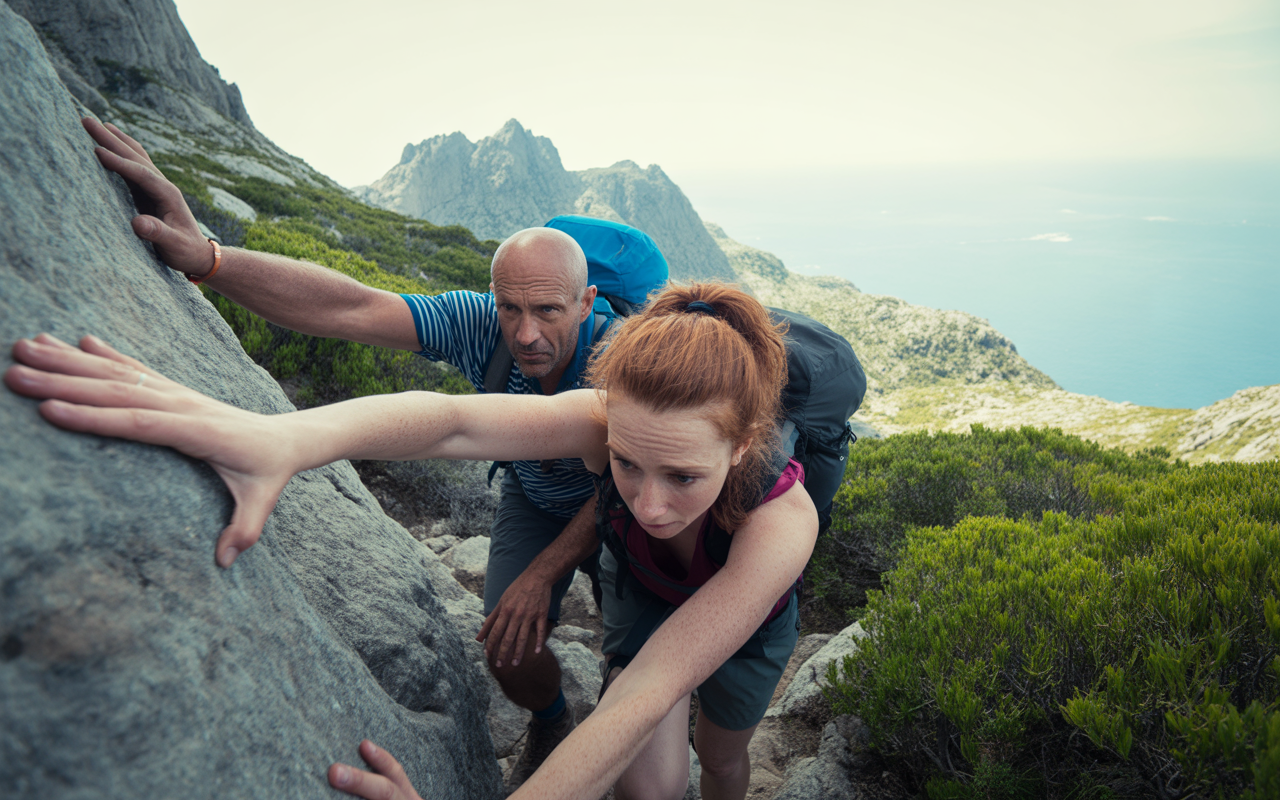

For adventure seekers looking to tackle one of Europe’s most challenging trails, the GR20 distance covers an impressive 180 kilometers through Corsica’s rugged mountain landscape. This demanding hiking route stretches from Calenzana in the north to Conca in the south, taking most hikers between 12 to 16 days to complete. With its technical terrain and significant elevation changes, the trail offers a true test of endurance while rewarding trekkers with breathtaking views of granite peaks and ancient forests.
What is the GR20 distance?
The GR20 distance spans approximately 112 miles (180 kilometers) across the rugged mountains of Corsica, making it one of Europe’s most challenging long-distance hiking trails. This legendary trail stretches from Calenzana in the north to Conca in the south, crossing the island’s dramatic granite peaks and ancient forests.
Most hikers complete the entire route in 12 to 16 days, depending on their fitness level and hiking experience. The trail demands serious preparation due to its technical terrain and significant elevation changes throughout the journey.
Understanding the GR20 Distance and Route
The GR20 trail divides naturally into distinct sections, each offering unique challenges and stunning scenery. Understanding these divisions helps hikers plan their adventure more effectively.
The route typically gets broken down into 15 segments averaging 7.5 miles per day. This calculation gives hikers a realistic framework for planning their daily progress and overnight stops.
Key Sections and Length of the GR20
The northern section runs from Calenzana to Vizzavona and represents the most technically demanding portion of the trail. This section features exposed ridges, steep granite scrambles, and the infamous Cirque de Solitude.
The central section around Vizzavona serves as a natural dividing point where many hikers choose to resupply. From here, the trail continues through the Col de Bavella area, offering spectacular views of Corsica’s needle-like granite spires.
The southern section from Vizzavona to Conca tends to be less technical but still requires stamina. This portion winds through beautiful forests and offers more opportunities for swimming in mountain pools.
Daily Hiking Distances on the GR20
Daily distances on the GR20 typically range from 6 to 11 miles, but terrain difficulty matters more than raw mileage. Some shorter days involve intense scrambling over granite slabs that can take hours to navigate safely.
The most challenging sections, like the Balconies of the Medea, might cover less distance but demand technical rock climbing skills. We recommend allowing extra time for these demanding portions rather than pushing to maintain distance goals.
Weather conditions can significantly impact your daily progress. Rain or strong winds can reduce hiking distances by 20-30%, making flexible planning essential for success.
Essential Tips for Hiking the GR20 Distance
Proper preparation makes the difference between a successful GR20 adventure and a miserable struggle. Physical training should focus on building endurance and leg strength for steep ascents and descents.
Most days involve ascending or descending 2,000 to 3,000 feet in elevation, with total elevation gain exceeding 19,000 feet over the entire route. This constant up-and-down motion taxes different muscle groups than flat-distance hiking.
Quality footwear becomes absolutely critical on the GR20’s rocky terrain. Waterproof boots like the SALOMON X Ultra or Merrell Moab series provide the ankle support and grip needed for safe navigation.
We strongly recommend planning for 6 to 8 hours of hiking per day, including rest breaks and photo stops. This realistic timeframe accounts for the technical nature of much of the trail.
GR20 Distance: Planning Your Hiking Adventure
Success on the GR20 distance requires careful planning well before you arrive in Corsica. The trail’s remote nature and challenging terrain leave little room for improvisation.
We advise planning at least one rest day after every 4 to 5 days of hiking. These recovery days allow your body to adapt to the constant physical demands while giving you time to resupply and do laundry.
Best Time to Hike the GR20
The optimal hiking season runs from late June through early September, with July and August representing peak months. These summer months offer the most reliable weather but also bring higher temperatures and crowded refuges.
Early season hiking in June means dealing with possible snow on high passes but fewer crowds and cooler temperatures. Late September can be beautiful but weather becomes increasingly unpredictable.
We prefer hiking in early July or late August when conditions balance weather reliability with manageable crowds. Mountain weather changes rapidly regardless of season, so always pack for unexpected storms.
Accommodations and Resupply Points Along the GR20
The trail offers various accommodation options including refuges, gîtes, and designated camping areas. Most refuges provide bunk beds and basic meals, though booking ahead becomes essential during peak season.
Key resupply points include Vizzavona, Castel di Verdo, and Bavella, where hikers can replenish food supplies and sometimes arrange transportation if needed. These stops break the trail into manageable segments for supply planning.
Portable water filters prove essential due to varying water quality along the route. Natural springs provide water in most areas, but purification ensures safety throughout your journey.
Personal Experiences and Insights on the GR20 Distance
Real-world experiences on the GR20 vary dramatically based on preparation, weather, and personal fitness levels. Some experienced hikers complete the 112-mile trail in just 11 days with an intense daily schedule.
More commonly, hikers take 15 to 16 days for a comfortable pace that allows time to enjoy the spectacular scenery. This relaxed approach reduces injury risk and increases overall satisfaction with the experience.
GPS devices and trail apps like Komoot or AllTrails provide valuable navigation support and distance tracking. These tools help hikers stay on route and monitor their progress against planned daily distances.
Packing light makes an enormous difference when covering the gr20 distance over two weeks. Every extra pound multiplies the difficulty on steep ascents and technical rock sections that define this legendary trail.
FAQ
What is the distance of the GR20 trail?
The distance of the GR20 trail is approximately 180 kilometers (about 112 miles), making it one of the most challenging long-distance hiking routes in Europe.
What is the total elevation gain on the GR20?
The total elevation gain on the GR20 is around 10,000 meters, with some estimates reaching up to 12,000 meters or even 28,000 meters, depending on different measurements and route variations.
How long does it take to hike the GR20?
Hikers typically take about 10 to 16 days to complete the GR20, depending on their fitness level and experience with the trail’s technical challenges.
What are the best months to hike the GR20?
The best months to hike the GR20 are late June through early September. July and August are peak months for reliable weather, but they also bring warmer temperatures and more crowds.
What should I do to prepare for hiking the GR20?
To prepare for hiking the GR20, focus on building endurance and strength for steep ascents. Quality footwear is crucial, along with planning for 6 to 8 hours of hiking each day, accounting for breaks and the technical nature of the trail.
Are there resupply points along the GR20 route?
Yes, there are resupply points along the GR20 route, including Vizzavona, Castel di Verdo, and Bavella. These locations allow hikers to replenish food supplies and plan for accommodations along the trail.
What should I pack for the GR20 hike?
When hiking the GR20, pack light to make uphill climbing easier. Essential gear includes quality hiking boots, portable water filters for purification, and weather-appropriate clothing to prepare for changing conditions.
