
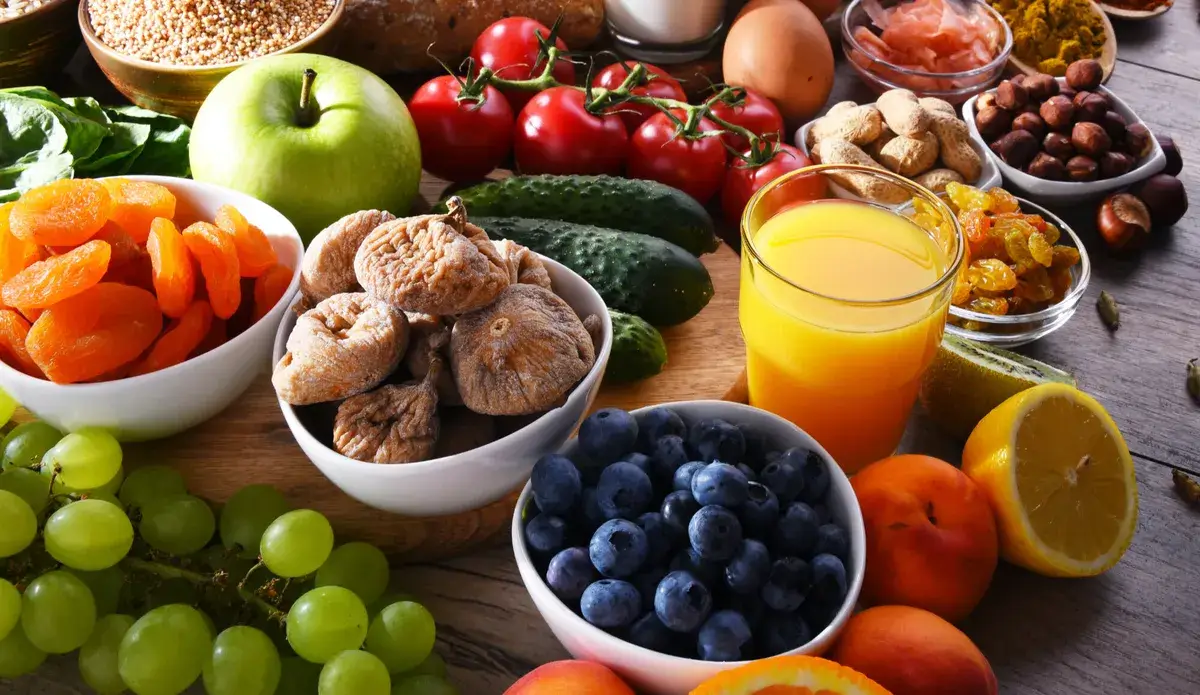

Looking for that extra energy boost before hitting the gym often sends individuals toward energy drinks or specialized snacks, but sometimes the most effective solution is found right in the produce section. Fruits, rich in carbohydrates, fiber, and essential micronutrients, can serve as outstanding pre-workout foods. Recent studies emphasize how dietary choices directly impact exercise performance, highlighting the link between nutrition and overall energy levels. This article uncovers eight fruits consistently celebrated for providing sustained fuel before physical activity—and dives into exactly why they are so effective.
Why choosing the right fruit matters before exercise?
What is eaten in the hour or two leading up to activity influences everything from endurance to mental focus. Carbohydrates remain the body’s primary source of fuel, functioning like petrol for an engine—without sufficient intake, workouts often feel sluggish or end prematurely due to fatigue. For those aiming to maximize strength or stamina, these natural sugars become a crucial part of any pre-exercise plan.
Timing also plays a significant role. Eating immediately before intense movement may cause discomfort, while waiting too long could leave one depleted. Experts advise consuming easily digestible carbs—such as select fruits—about 30 to 60 minutes prior to training. These choices help stabilize blood sugar and deliver a steady stream of glucose throughout the session.
How do fruits compare to other energy foods?
Many opt for bars or shakes, assuming they provide superior fuel. However, whole fruits offer comparable benefits without added ingredients or processed sugars. Alongside rapidly accessible carbs, they deliver hydration and antioxidants, both important for muscle recovery and general health.
Not all fruits perform equally; some supply fast-acting simple sugars, while others contain fiber for slower energy release. Mixing different varieties or pairing fruit with protein-rich foods enables athletes to tailor their fueling strategy based on the intensity and duration of workouts.
Impact of simple versus complex carbs
Fruits high in simple sugars, such as bananas and grapes, quickly elevate energy levels, making them ideal for short, explosive activities. In contrast, apples and pears, which feature more fiber, promote sustained efforts by releasing energy more gradually.
The glycemic index of each fruit offers clues about its effect on blood sugar and subsequent energy delivery. Understanding this can guide smart choices depending on whether immediate power or lasting stamina is needed.
The role of vitamins and minerals in performance
Beyond fueling muscles, fruits provide potassium, vitamin C, and additional micronutrients that support nerve function and control inflammation. Oranges, for example, deliver vitamin C to aid tissue repair post-exercise, while dates are packed with potassium to help regulate hydration and muscle contractions.
These nutrients enhance the power of carbohydrates and distinguish fruits from snacks that are purely caloric.
Which 8 fruits top the list for pre-workout energy?
Nutritionists and sports experts regularly spotlight the following eight fruits for their proven ability to energize before athletic pursuits. Selections depend on availability, flavor preferences, and fit within individual training plans.
Each option brings unique strengths—from instant glucose delivery to restoring vital minerals—but all share the main purpose: effectively fueling the body ahead of exertion.
Bananas
Bananas consistently rank as favorites among those wanting quick energy and convenience. Loaded with carbs and potassium, they cater to muscular demands and help prevent cramping. Their naturally low fat and fiber content minimizes digestive issues during workouts.
For early morning sessions or when time is tight, bananas provide a practical and reliable choice embraced by professionals and amateurs alike.
Dates
With high natural sugar content yet gentle digestion, dates are popular with endurance runners and cyclists. Just a few pieces offer enough fuel to bridge gaps between meals and longer activities.
Their concentrated potassium supports electrolyte balance, which becomes essential as sweat loss increases.
Pineapple
Pineapple delivers not only vibrant sweetness but also bromelain—a compound linked to reducing exercise-related inflammation. Its readily digested carbohydrates convert swiftly to usable energy.
This tropical fruit’s robust vitamin C content further aids immune support throughout demanding training cycles.
Oranges
Renowned for hydrating juice and vitamin C, oranges stand out among classic pre-workout snacks. Their combination of water and carbs gives a double benefit: consistent glucose for working muscles and fluid to offset sweat loss.
Segments or fresh blends integrate seamlessly into any pre-exercise routine, especially in hot weather or after fasting periods.
Apples
With a moderate glycemic index and balanced soluble fiber, apples offer slow-burning fuel ideal for extended activities. They are easy on the stomach, reducing gastrointestinal discomfort even if consumed shortly before movement.
Additionally, apples supply phytochemicals that may support lung capacity during cardio-based efforts.
Watermelon
Watermelon supplies abundant hydration thanks to its high water content while still providing easily accessible carbs. Its cooling properties appeal to outdoor athletes or anyone active in warm environments.
Citrulline found in watermelon may also ease muscle soreness, helping facilitate quicker recovery between sessions.
Grapes
As bite-sized sources of glucose and antioxidants, grapes frequently appear in athlete diets. Their carbohydrate makeup ensures rapid access to circulating energy, beneficial for sprints or sports requiring repeated bursts.
Resveratrol and related compounds present in grapes help protect against cellular stress caused by intense workloads.
Pear
Pears combine easy digestion with gentle sugars, making them suitable for those sensitive to heavier foods before exercise. Their fibers deliver lasting satiety, supporting focus during lengthy outings.
Several micronutrients in pears—including vitamin K—contribute to healthy circulation, assisting oxygen delivery to active tissues.
Is it better to eat before or after a workout?
Debate persists regarding whether eating before training outweighs refueling afterward. Most current evidence favors some caloric intake—especially from carbohydrates—prior to exercise, as it can lower perceived effort and delay depletion of muscle glycogen reserves.
While post-workout meals foster muscle repair, skipping pre-exercise nutrition often leads to reduced energy and subpar performance. Nutritionists recommend focusing on timing and quality nutrients at both stages for optimal results.
